
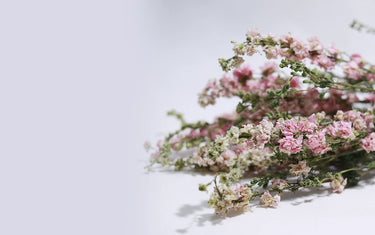
Transform fleeting fresh blooms into timeless treasures! While fresh flowers bring immediate joy, their beauty often leaves us wishing for more. How to dry flowers and extend their lifespan from days to months?
This guide reveals the best methods to dry flowers at home, allowing you to create beautiful, sustainable decor, unique gifts, and lasting mementos.
Why Dry Flowers? Benefits Beyond Beauty

The resurgence of dried flowers is a mindful shift towards appreciating nature’s beauty in a more sustainable and lasting way.
1. Longevity
Unlike fresh cuts that wilt within a week or two, properly dried blooms can last anywhere from one to three years, and even indefinitely when sealed.
2. Sustainability
Choosing dried flowers reduces the environmental impact associated with fresh cut flower production and transportation. They’re a reusable and eco-friendly decorating option.
3. Versatility
Dried flowers are incredibly adaptable. Use them in stunning arrangements, wreaths, garlands, fragrant potpourri, bath sachets, resin art, or to embellish gift packaging.
4. Memory Preservation
Drying flowers from special occasions like weddings, birthdays, or anniversaries allows you to hold onto those precious memories long after the event.
5. DIY Satisfaction
For individuals, drying flowers is a rewarding craft that connects you with nature and allows for endless creative expression.
How to Dry Flowers: The 5 Best Methods
Each drying method offers unique advantages, suiting different flower types and desired outcomes. Choose the one that best fits your blooms and your patience level!
Method 1: Air Drying (The Easiest & Most Natural)
Air drying is the simplest and most traditional method, requiring no special equipment. It’s perfect for retaining the natural shape of your blooms.
| Pros | Simple, cost-effective, no special equipment needed, great for retaining natural shape. |
| Cons | Takes longer, best for certain flower types, can result in some colour fading (especially if not kept in the dark). |
| Best for | Lavender,
Hydrangeas, Gypsophila (Baby’s Breath), Roses (smaller, single-petal varieties), Eucalyptus, Statice, Celosia, Strawflowers (Xerochrysum), Yarrow, Globe Amaranth. |
| You Will Need | Fresh flowers, string or rubber bands, clothes hangers or an airer, sharp secateurs or snips. |
Step-by-Step Instructions
1. Prepare Flowers: Trim stems to desired length and remove any excess leaves below the flower head or along the lower stem.
2. Bundle Stems: Gather flowers into small bundles of 6-10 stems, depending on flower size. Secure them tightly with string or a rubber band (rubber bands are good as they contract as stems shrink).
3. Hang Upside Down: Find a cool, dark, dry, and well-ventilated place (e.g., a closet, attic, spare room).
Hang the bundles upside down from hooks, hangers, or a clothesline, ensuring a few inches of space between each bundle for airflow. Hanging upside down helps the stems remain straight as they dry.
4. Wait Patiently: Leave the flowers to dry for 2-4 weeks, or sometimes longer depending on the flower type and environmental humidity.
5. Gentle Removal & Storage: Once completely dry (flowers should feel crispy and stiff, not limp or damp), gently remove them. They are now ready for display or storage.
Method 2: Pressing (For Flat, Detailed Art)
Pressing flowers is a classic method that creates beautiful, flattened blooms perfect for crafts like greeting cards, scrapbooks, or framed art.
| Pros | Preserves delicate details, ideal for flat designs, results in thin, easy-to-use pieces. |
| Cons | Not suitable for bulky flowers, flattens the natural 3D shape. |
| Best for | Pansies, Violas, Daisies, Primroses, small ferns, single-petal roses (can be cut in half). |
| You Will Need | Fresh flowers, absorbent paper (blotting paper, parchment paper, or even newspaper), several heavy books or a dedicated flower press, snips. |
Step-by-Step Instructions
1. Prepare Flowers: Select fresh, unblemished flowers. Trim stems to leave just the part you want to keep. For thicker blooms, consider cutting them in half lengthwise.
2. Arrange on Paper: Place the flowers carefully between sheets of absorbent paper. Ensure they are spaced out and not overlapping.
3. Press in a Book/Press: Place the paper with flowers inside a heavy book (like an old phone book or dictionary).
For more consistent pressure, add more heavy books on top. If using a flower press, arrange flowers between the blotting paper and tighten the screws firmly.
4. Wait for Dryness: Leave the flowers to press for 1-4 weeks. Delicate flowers might be ready in a week, while thicker ones can take a month.
5. Careful Removal: Once completely dry and flat, carefully remove them. Handle with extreme care as pressed flowers can be fragile.
Method 3: Silica Gel (For Vibrant Colour & 3D Shape)
Silica gel is a desiccant that rapidly absorbs moisture, preserving flowers with remarkable colour retention and maintaining their natural three-dimensional shape.
| Pros | Excellent colour preservation, retains natural shape, faster than air drying. |
| Cons | Initial cost of silica gel, requires careful handling (can be dusty), not ideal for food-related projects.
Avoid blue-coloured silica gel as it often contains toxic cobalt chloride. Opt for white or indicating orange/yellow beads. |
| Best for | Roses, Peonies, Lisianthus, Dahlias, Hydrangea florets, Carnations. |
| You Will Need | Fresh flowers (usually just the heads), non-toxic silica gel crystals, a wide, airtight plastic container with a lid, dust mask, protective gloves, snips. |
Step-by-Step Instructions
1. Prepare Flowers: Trim stems just below the flower head, handling them gently to avoid bruising.
2. Pour Base Layer: Wearing a mask and gloves, pour a thin layer (about 1-2 inches) of silica gel crystals into the bottom of your airtight container.
3. Arrange Flowers: Carefully place the flower heads on the gel, ensuring they don’t touch each other.
4. Cover Completely: Gently pour more silica gel crystals around and into the petals of each bloom until they are completely covered. Be thorough to support their shape.
5. Seal & Wait: Seal the container tightly with its lid and place it in a cool, dry place out of direct sunlight. Drying typically takes 3-7 days for delicate flowers and up to 1-3 weeks for thicker blooms like roses.
6. Careful Removal: To check, gently uncover a flower. Once dry (stiff but not brittle), carefully pour out the gel onto a tray and extract the blooms, gently shaking off any remaining crystals.
Tip: Silica gel is reusable!
After it turns opaque or changes colour (if it’s an indicating type), you can recharge it by spreading it on a baking sheet and baking at 250-300°F (120-150°C). Wait for about an hour until it returns to its original colour/translucency.
Method 4: Microwave Drying (The Quickest Method)
If you’re in a hurry, the microwave offers the fastest way to dry flowers, often taking mere minutes. This method is best for smaller, less dense flowers or individual petals.
| Pros | Extremely fast, good for immediate crafting needs, can retain some colour. |
| Cons | Can easily burn or overdry flowers, requires constant vigilance, not suitable for large or dense blooms. |
| Best for | Marigolds, Daisies, Rose petals, Hydrangea florets, delicate single-petal flowers. |
| You Will Need | Flowers (heads or petals), microwave-safe plate, paper towels, snips. (Optional: Silica gel for better results, a small cup of water for the microwave). |
Step-by-Step Instructions
1. Prepare Flowers: Trim flowers to just their heads or separate into individual petals.
2. Arrange on Plate: Place a layer of paper towels on a microwave-safe plate. Arrange the flowers or petals on top, ensuring they don’t overlap. Cover with another layer of paper towel.
3. Microwave in Intervals: Microwave on low heat (usually 30-50% power) in short bursts.
Start with 30 seconds to 1 minute, then check. Continue in 10-30 second intervals. The total time can range from 1 to 2.5 minutes for small to medium flowers.
4. Cool Down: Between each burst, allow the flowers to cool for a few moments and check their dryness. They should feel dry and crispy.
5. Ready to Use: Once dry, let them cool completely before handling.
Tip: Placing a small cup of water in the microwave alongside the flowers can help prevent over-drying and burning.
For optimal results, some people combine microwave drying with silica gel.
Method 5: Oven Drying (For Larger Batches, Faster Than Air)
Oven drying provides a faster alternative to air drying for larger quantities of flowers or foliage, though it requires more attention and can sometimes dull colours.
| Pros | Faster than air drying, suitable for larger batches of smaller flowers or foliage. |
| Cons | Requires constant monitoring to prevent burning, can cause colour fading, uses electricity. |
| Best for | Sturdy flower heads, herbs, small bundles of foliage like eucalyptus. |
| You Will Need | Flowers (heads or small sprigs), baking trays, parchment paper, oven, snips. |
Step-by-Step Instructions
1. Prepare Flowers: Remove stems to keep only the heads or small, manageable sprigs. Separate petals of larger blooms for more even drying.
2. Arrange on Trays: Line baking trays with parchment paper. Spread the blooms in a single layer, ensuring they don’t touch.
3. Preheat Oven: Preheat your oven to its absolute lowest setting, typically around 150-200°F (65-90°C).
4. Bake with Door Ajar: Place the trays inside the oven, leaving the oven door slightly ajar to allow moisture to escape.
5. Monitor & Turn: Leave the flowers in the oven for several hours to 12-24 hours, depending on their moisture content and size. Check them frequently and turn the flowers or petals occasionally for even drying.
6. Cool Completely: Once completely dry and crisp, remove them from the oven and let them cool fully before handling.
Tip: A food dehydrator, if you have one, is an even better tool for this purpose, offering more controlled, even heat.
Essential Tips Before Drying Flowers
Before you dive into the drying process, a little preparation goes a long way in ensuring vibrant, long-lasting results.
When to Cut Flowers
For the best colour and shape retention, cut flowers just as they’re coming into full bloom, or when they are about 3/4 open. Overly ripe flowers tend to shed petals during drying.
Dry Weather: Always harvest on a dry day, after any morning dew has evaporated. Excess moisture on the petals can lead to browning or mold.
Tools: Use a pair of sharp secateurs, snips, or gardening scissors to make clean cuts, preserving the stem’s integrity.
Choosing the Right Flowers
Sturdy Structure: Look for flowers and foliage with sturdy stems and petals. Delicate blooms can sometimes wilt or crumble more easily.
Low Moisture Content: Flowers with naturally lower moisture tend to dry better and faster, reducing the risk of mold.
Peak Freshness: Blemished or wilting fresh flowers will not improve with drying. Start with the best quality blooms you can find.
Preparation
Remove Lower Leaves: Strip off any leaves or foliage below the waterline (if applicable) or any unwanted leaves along the stem. These can trap moisture and promote mold.
Inspect: Quickly check for any insects or damaged petals and remove them.
Location for Drying (General Rule)
Regardless of the method, always dry flowers in a cool, dark, dry, and well-ventilated space. Direct sunlight fades colours, and high humidity (like in kitchens or bathrooms) can cause mold and hinder drying.
How to Care for Your Dried Flowers (Long-term Preservation)

1. Dusting: Gently remove dust and cobwebs using a feather duster, a soft brush, or a hairdryer set on a cool, low-speed setting. Avoid harsh rubbing.
2. Location, Location, Location: This is critical for longevity.
- Avoid Direct Sunlight: UV rays are the primary culprits for colour fading. Keep dried flowers out of sunny windows.
- Steer Clear of Humidity: Moisture is the enemy of dried flowers, leading to mold and deterioration. Do not place them in bathrooms, kitchens, or any high-humidity areas. A dry, airy room is ideal.
- Away from Heat Sources: Radiators, stoves, and heating vents can make dried flowers brittle and fragile.
3. Storage: For long-term preservation, especially for sentimental blooms, consider storing them in airtight glass containers, shadow boxes, or even encasing them in resin.
4. Lifespan: Uncovered dried flowers typically maintain their quality for one to three years. If kept in a sealed environment or treated with resin, they can last indefinitely.
5. Disposal: Once your dried flowers start to degrade, shed excessively, or lose their appeal, they are biodegradable! Simply add them to your compost bin or green waste collection.
Best Flowers to Dry (Detailed List)
While many flowers can be dried, some varieties yield far better results, retaining their shape, colour, and texture beautifully.
Everlastings (Easiest to Dry): These flowers have a naturally papery texture even when fresh, making them incredibly simple to air dry.
- Strawflower (Xerochrysum bracteatum): Vibrant colours, retains shape perfectly.
- Statice (Limonium): Comes in various colours, holds shape and hue well.
- Globe Amaranth (Gomphrena globosa): Small, round, colourful blooms that dry beautifully.
- Craspedia (Billy Balls): Distinctive spherical yellow heads, excellent for modern arrangements.
Common Favorites & How They Dry:
1. Roses: Best with silica gel to maintain their iconic shape and colour. Smaller varieties or individual petals can be air-dried, microwaved, or oven-dried.
2. Hydrangeas: Fantastic for air drying. Cut them when the florets are mostly open and starting to feel slightly papery.
Standing stems in a vase with an inch or two of water and letting it evaporate naturally (known as “vase drying”) also works well.
3. Lavender: Superb for air drying. Retains its lovely scent and classic purple colour, perfect for sachets and potpourri.
4. Gypsophila (Baby’s Breath): Air dries effortlessly, maintaining its delicate, airy structure, ideal as a filler.
5. Eucalyptus: Air dries exceptionally well. Retains its distinct scent and beautiful silvery-green colour, adding texture to arrangements.
6. Celosia: Air dries wonderfully, particularly the “Crested” (cockscomb) and “Plume” varieties, preserving their unique textures and bold colours.
7. Sunflowers: Smaller heads can be air dried. Individual petals can be microwaved or oven-dried for crafts.
8. Yarrow (Achillea): Air dries well, offering flat-topped clusters in various colours, adding a rustic touch.
9. Thistles (Echinops): Air dries, providing unique spherical, spiky texture.
Conclusion: Embrace the Everlasting Beauty
Drying flowers keeps those special memories alive and infuse your living space with sustainable, long-lasting beauty. The process is a rewarding and creative practice.
Remember, the key to perfect dried flowers lies in choosing the right blooms and pairing them with the most suitable drying method.
With air drying, you can enjoy a natural, rustic look. If time is short, microwave drying offers a speedy solution. For preserving exquisite detail and colour, silica gel is your go-to. And for those who love crafting, pressing flowers opens up a world of artistic possibilities.
So, the next time you receive a lovely bouquet or have an abundance of garden blooms, don’t let their beauty fade.
Instead, keep these simple methods in mind and embark on your journey to creating perfectly dried flowers that cherish moments long after the celebrations wind down.
FAQs
How do you dry flowers and keep their colour?
The best methods for colour retention are silica gel and pressing (especially if done quickly and in a dark place). For all methods, keeping flowers out of direct sunlight during and after drying is crucial, as UV rays cause fading. Drying in a cool, dark, well-ventilated area also helps.
Can you dry any flower?
While most flowers can be dried to some extent, not all dry well. Flowers with high water content (like lilies or irises) or very delicate petals may not hold their shape or colour effectively.
Flowers that are naturally sturdy and have lower moisture tend to be the best candidates.
Why did dried flowers go moldy/turn brown?
Mold usually occurs due to excess moisture or poor ventilation during the drying process.
Ensure your drying space is dry, airy, and dark. Browning often happens if flowers are cut past their prime, exposed to too much light, or dried too slowly in humid conditions.
Can you dry a wedding bouquet?
Drying a wedding bouquet is a popular way to preserve this precious memento.
The silica gel method is often recommended for bouquets as it helps retain the 3D shape and vibrant colours of various flowers within the arrangement. You might need a larger container for this.
Are dried flowers toxic?
Generally, dried flowers are no more or less toxic than their fresh counterparts.
Silica gel itself is generally considered non-toxic if accidentally ingested (unless it contains blue cobalt chloride or is a choking hazard), but it’s not food-safe and should not be consumed.
Always keep dried flowers and drying agents away from children and pets, and be aware of any known toxic properties of the specific plants you are handling.
